



















Hello!



Selling fast! 116 people have this in their carts.
We are rated 5 stars on Google
Trusted by our customers
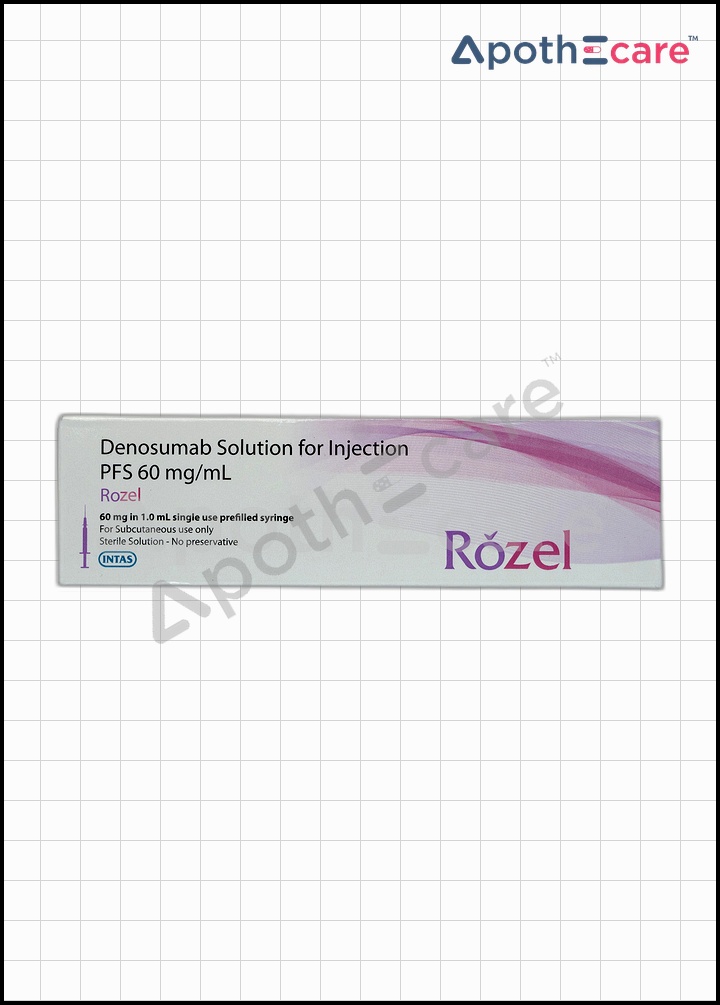
Esentra 120mg injection contains Denosumab, used to treat osteoporosis and avoid bone problems in cancer patients. By blocking the RANK ligand protein, it lowers the risk of fracture and bone loss. For patients with moderate renal impairment, monitoring renal function is recommended.
Esentra 120 Injection should not be self-given; it must be delivered by a medical practitioner. For optimal benefits, take adequate vitamin D and calcium supplements in addition to using it as directed on a regular basis, even if you feel better. To finish the entire course of treatment, follow to your doctor's instructions.
Click here to check delivery availability
Guarantee Safe
Checkout


Estimate delivery times: 5-7 days.
Return within 7 days of delivery.
Esentra 120mg injection contains Denosumab, used to treat osteoporosis and avoid bone problems in cancer patients. By blocking the RANK ligand protein, it lowers the risk of fracture and bone loss. For patients with moderate renal impairment, monitoring renal function is recommended.
Brand Name: Esentra
Composition: Denosumab
Mechanism of Action:
Denosumab acts by blocking RANKL, a protein involved in the erosion (breakdown) of bone. Denosumab enhances bone mass and decreases bone loss by inhibiting RANKL.
Uses:
Dosage and Administration:
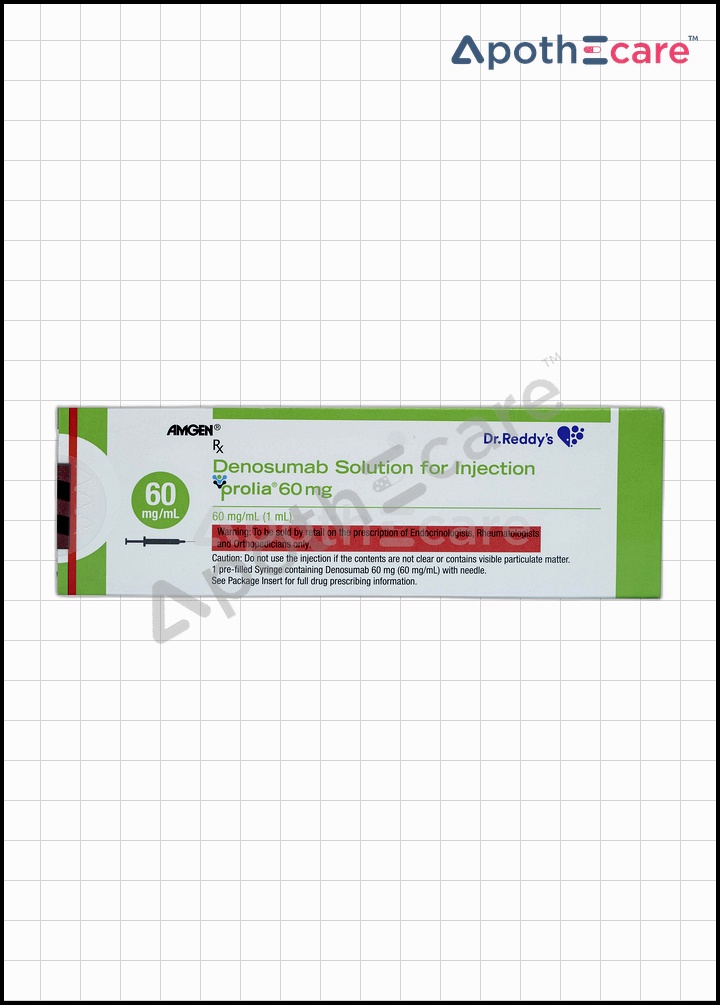
Given via subcutaneous injection, usually every 6 months for osteoporosis (Prolia) or more frequently (every 4 weeks) for cancer-related indications (Xgeva).
Side Effects:
Safety Advise:
 Kidney
Hypocalcemia is more common in patients with moderate to severe renal dysfunction. It's critical to regularly monitor kidney function. Do contact your Healthcare professional.
 Liver
Liver
Those with severe liver disease should use Esentra 120 Injection with caution. Esentra 120 Injection dosage adjustments can be required. Kindly speak with your healthcare provider.
 Allergy
If you have allergic response symptoms like swelling, redness, or trouble breathing, get medical help immediately.
 Bone
Bone
An unusual fracture of the femur can occasionally result from Denosumab. Inform your physician of any new or unexpected hip, groin, or thigh pain.
 Pregnancy
Not recommended during pregnancy. Discuss risks with your doctor if you are planning to conceive.
 Breast Feeding
Using Esentra 120 Injection while nursing is most likely dangerous. The medication may damage the unborn child if it enters the breastmilk, according to limited human data.
Storage:
Esentra 120mg Injection should be stored in the refrigerator at a temperature between 2°C to 8°C (36°F to 46°F). Do not freeze it.
How should I use this Medication?
This medication is injected subcutaneously. It is delivered at a hospital or clinic by a medical professional. You will receive a personalized MedGuide prior to every treatment. Every time, make sure to carefully read this information.
Consult your pediatrician about Prolia and the usage of this medication in young patients. There might be a need for extra caution. Consult your physician about the usage of Xgeva in young patients. Precautions do apply even though this medication may be administered for specific diseases to youngsters as young as 13 years old.
Disclaimer:
The main goal of Apothecare Specialities Pvt Ltd is to make sure that the information it provides to customers is correct, reliable, and reviewed by specialists. This website's contents and information are strictly for informational purposes. They are not meant to be used in place of expert medical advice, diagnosis, or care. Please consult your physician for guidance and ask any questions you may have about any condition or medication. If you read anything on Apothecare Specialities Pvt Ltd, do not discount or delay obtaining competent medical advice. Our goal is to enhance the doctor-patient relationship, not to take its place
1. What is Esentra 120mg Injection?
Esentra 120mg contains Denosumab, a targeted biological therapy used in oncology. It may be prescribed to potentially manage bone complications in cancer patients. Strict adherence to an oncologist's guidance is essential.
2. How may Esentra work?
It is believed to inhibit the RANKL protein, which may potentially stop the excessive bone destruction caused by cancer cells metastasizing to the bone.
3. What conditions may it be considered for?
It may be prescribed to potentially prevent skeletal-related events (like fractures or spinal cord compression) in patients with bone metastases from solid tumours or multiple myeloma.
4. How is Esentra 120mg administered?
It is administered as a subcutaneous injection by a healthcare professional in a clinical setting. You must adhere to all scheduled oncology appointments.
5. How often is the injection given?
The 120mg oncology dose is typically given once every 4 weeks. You must adhere exactly to your oncologist's monthly schedule for optimal potential efficacy.
6. What are the possible side effects?
Patients may potentially experience fatigue, nausea, shortness of breath, hypophosphataemia, or joint pain. Report all side effects to your oncology team.
7. Are there severe risks of low calcium?
Yes, severe hypocalcaemia may potentially occur. Adhering to the calcium and vitamin D supplementation prescribed by your doctor is an absolute requirement.
8. What is osteonecrosis of the jaw (ONJ)?
ONJ is a severe jaw bone condition that has a potentially higher risk of occurring with monthly Denosumab dosing. Adhere strictly to preventive dental exams recommended by your doctor.
9. Can I skip a dose if my cancer is stable?
No, you must never alter your treatment schedule independently. Strict adherence to your doctor's continuous dosing schedule is required to protect your bones.
10. Is regular blood monitoring required?
Yes, your doctor will mandate regular blood tests to monitor calcium levels and kidney function. You must attend these scheduled medical checks.
11. Can it be used in pregnancy?
It may cause fetal harm and is contraindicated in pregnancy. Adhere to strict contraceptive methods as advised by your physician.
12. Is Esentra 120mg a prescription medicine?
Yes, it is a prescription-only oncology medication.
Medical Disclaimer:
Esentra 120mg Injection is a prescription-only medicine and must be used strictly under the supervision and guidance of a qualified healthcare professional. Do not self-medicate, alter the dosage, or discontinue use without consulting your doctor. The information provided here is for educational purposes only and should not be considered a substitute for professional medical advice, diagnosis, or treatment. Individual results, benefits, and risks may vary. Always consult your physician before starting, changing, or stopping any medication.