














Hello!

Selling fast! 100 people have this in their carts.
We are rated 5 stars on Google
Trusted by our customers
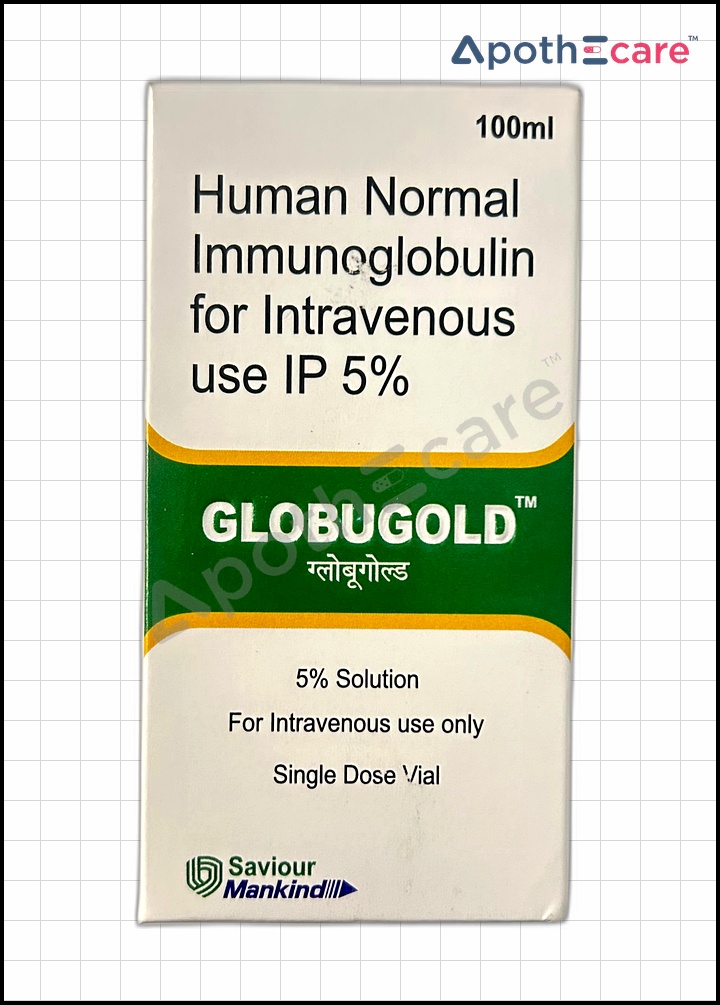
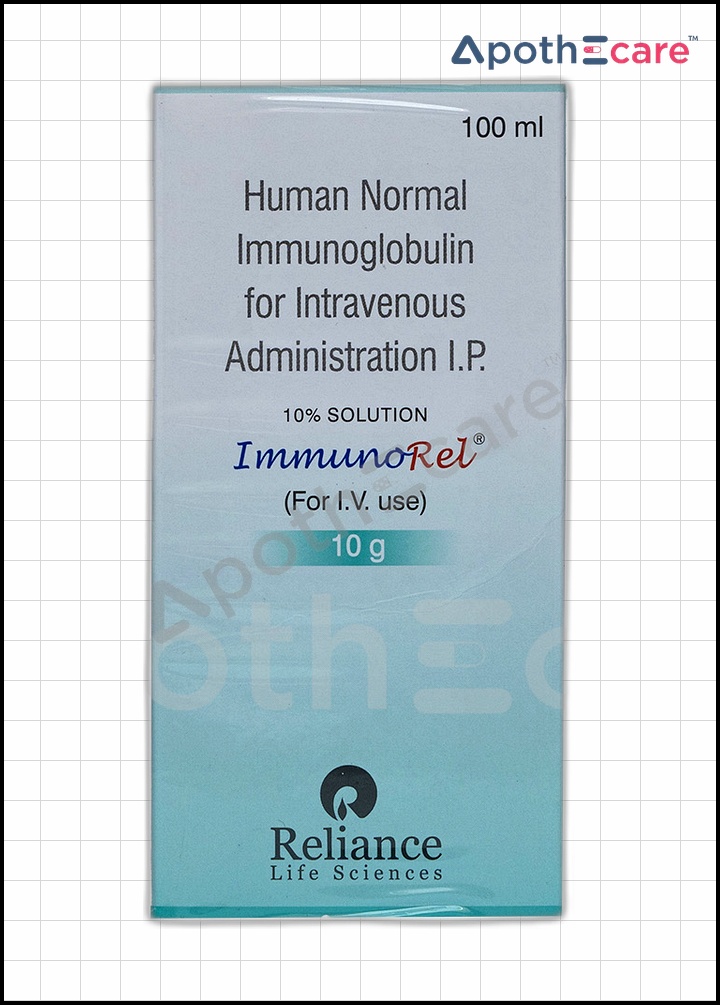
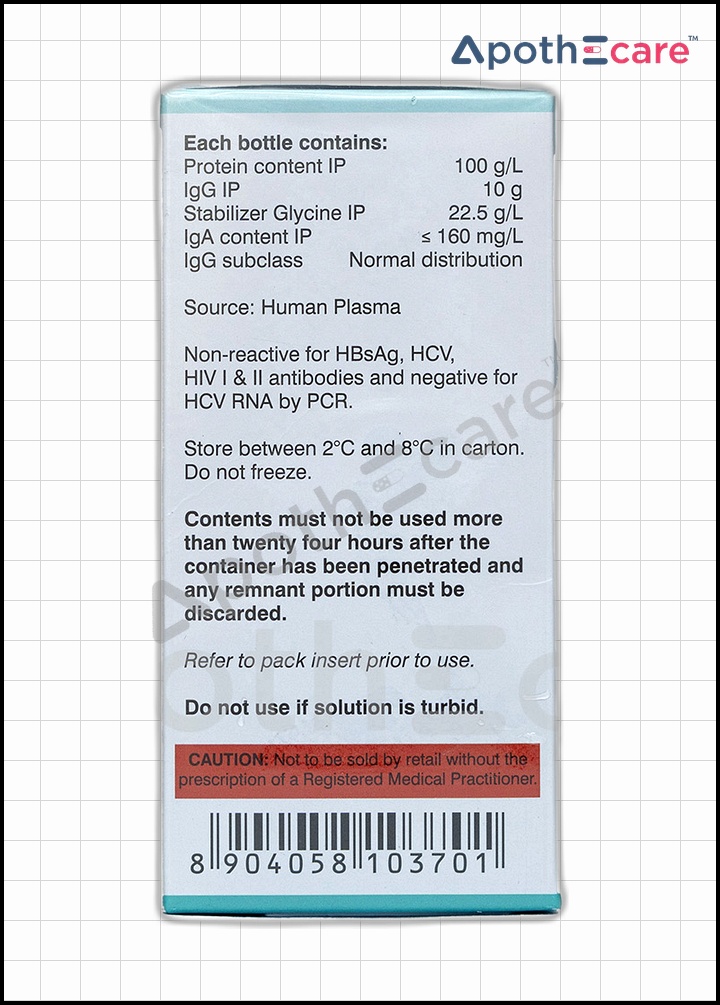
Immunorel 10gm Injection contains Human Normal Immunoglobulin (IVIG), which is a sterile, purified solution of antibodies (immunoglobulins) derived from pooled human plasma. By supplying antibodies to strengthen the immune system, IVIG is used to treat autoimmune diseases and a variety of immunological deficiencies.
Click here to check delivery availability
Guarantee Safe
Checkout


Estimate delivery times: 5-7 days.
Return within 7 days of delivery.
Immunorel 10gm Injection contains Human Normal Immunoglobulin (IVIG), which is a sterile, purified solution of antibodies (immunoglobulins) derived from pooled human plasma.
Brand Name: Immunorel
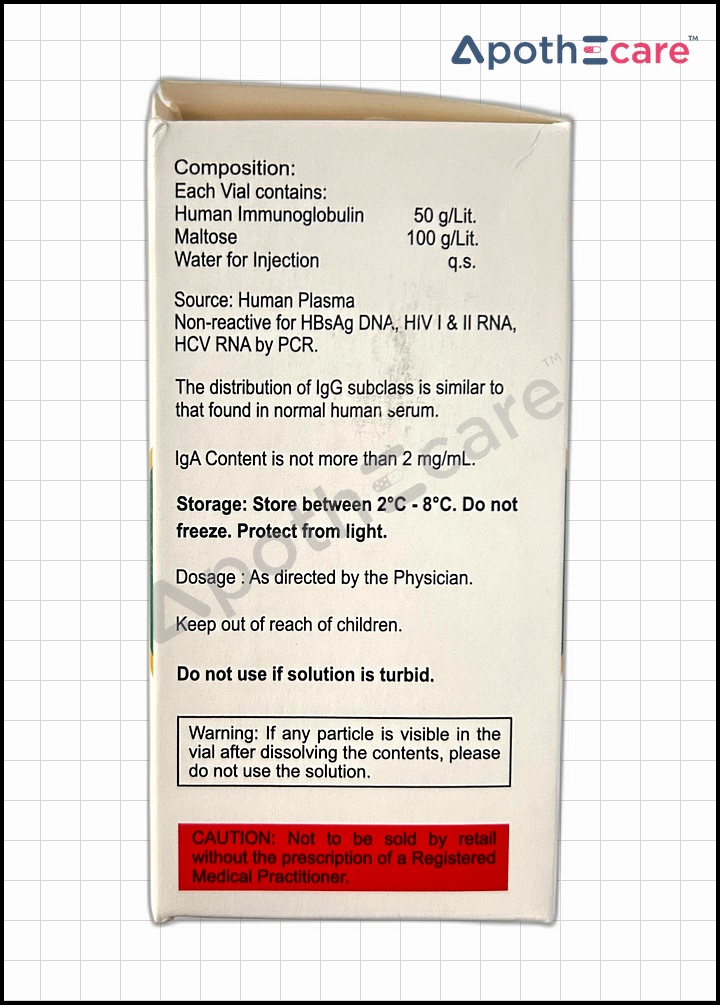
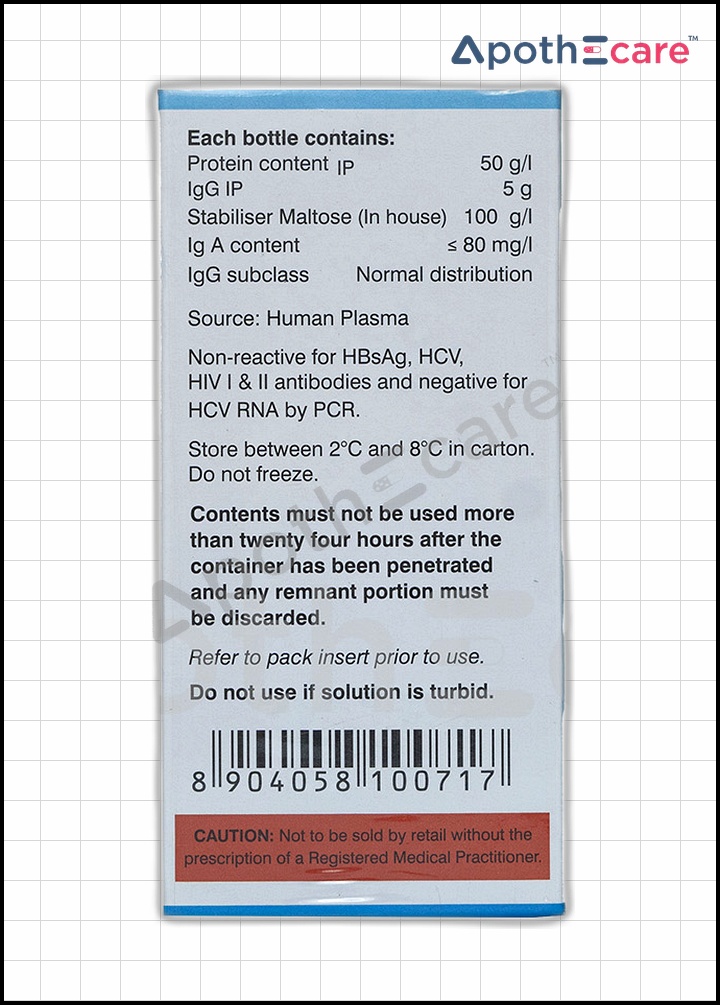
Composition: Human Normal Immunoglobulin
Mechanism of Action:
Immunorel has several uses and contains a variety of antibodies gathered from healthy donors. In people with immunological deficits, it helps replace absent or insufficient antibodies. Furthermore, it can alter the immune response in autoimmune disorders by neutralizing dangerous antibodies and controlling immunological processes to lessen tissue damage and inflammation. Immunorel helps to sustain platelet counts in diseases such as immunological thrombocytopenic purpura (ITP) by inhibiting receptors that signal antibody formation against platelets.
Uses:
Dosage and Administration:
The particular ailment, severity, and patient response all affect the Immunorel 5gm Injection dosage and duration. A medical practitioner administers the intravenous injection. To avoid negative effects, the infusion rate needs to be closely watched.
Side Effects:
Safety Advises:
 Liver
Liver 
Periodic tests for liver function are recommended as the drug can cause toxicity, especially in patients with pre-existing conditions. Kindly speak with your healthcare provider.
 Kidney
Periodic tests for kidney function are recommended as the drug can cause toxicity, especially in patients with pre-existing conditions. Kindly speak with your healthcare provider.
 Pregnancy
Immunorel is contraindicated in pregnancy due to the risk of fetal harm. Kindly speak with your healthcare provider.
 Breast Feeding
Breastfeeding should be avoided, as the drug can be excreted in breast milk. Kindly speak with your healthcare provider.
 Alcohol
When using Immunorel Injection with alcohol, caution is suggested. Kindly speak with your healthcare provider.
Storage:
Store Immunorel Injection in the refrigerator at 2-8°C, protected from light, and avoid freezing.
How to use this Medication?
As prescribed by your physician, this drug is administered by gradual injection into a vein.
Your weight, medical condition, and reaction to treatment all influence the dosage and frequency.
Consult your healthcare provider for complete preparation and administration instructions if you are administering this medication to yourself at home. Before usage, visually inspect this product for any discoloration or particles. Do not use the liquid if either is present. Find out how to properly store and dispose of medical supplies.
References:
1. Wood P. Human normal immunoglobulin in the treatment of primary immunodeficiency diseases. Therapeutics and clinical risk management. 2012 Apr 2:157-67.
2. Tomasi TB, Grey HM. Structure and function of immunoglobulin A. Prog Allergy. 1972 Jan 1;16(332):81-213.
3. Papadea C, Check IJ. Human immunoglobulin G and immunoglobulin G subclasses: biochemical, genetic, and clinical aspects. Critical reviews in clinical laboratory sciences. 1989 Jan 1;27(1):27-58.
Disclaimer:
The main goal of Apothecare Specialities Pvt Ltd is to make sure that the information it provides to customers is correct, reliable, and reviewed by specialists. This website's contents and information are strictly for informational purposes. They are not meant to be used in place of expert medical advice, diagnosis, or care. Please consult your physician for guidance and ask any questions you may have about any condition or medication. If you read anything on Apothecare Specialities Pvt Ltd, do not discount or delay obtaining competent medical advice. Our goal is to enhance the doctor-patient relationship, not to take its place.
Marketer details
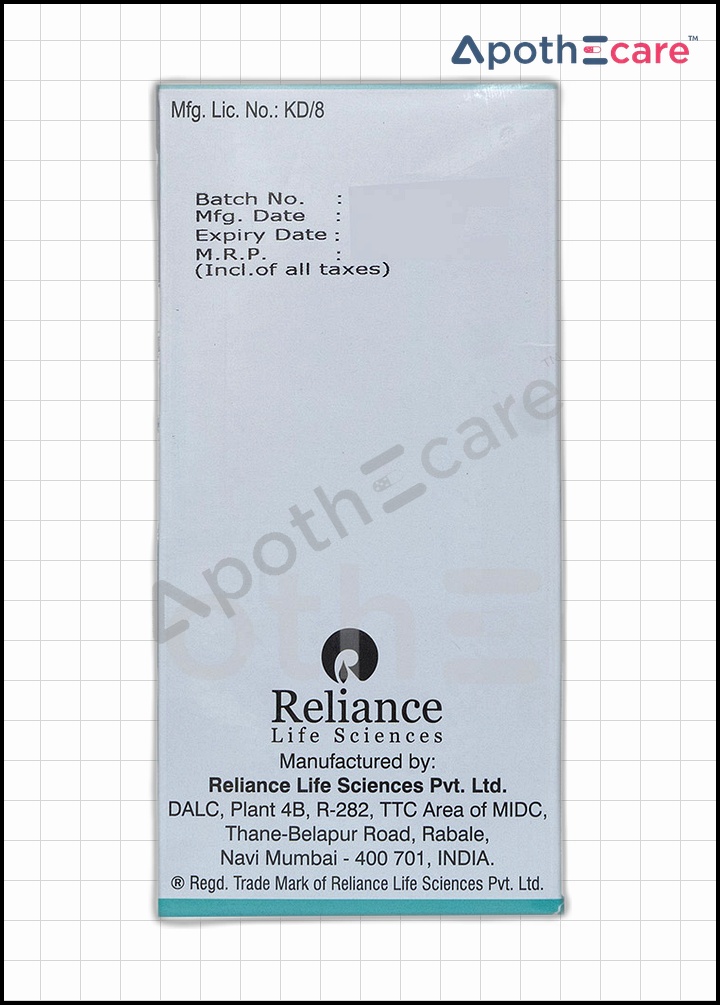
Name: Reliance Life Sciences
Address: Dhirubhai Ambani Life Sciences Centre, R-282, TTC Area of MIDC, Thane-Belapur Road, Rabale, Navi Mumbai 400 701
Country of origin: India
1. What is Immunorel 10gm Injection?
Immunorel 10gm is a preparation of Intravenous Immunoglobulin (IVIG) containing human antibodies. It may be prescribed to potentially treat various immune deficiencies and autoimmune disorders, under strict hospital oversight.
2. How may Immunorel work?
It is believed to provide a broad spectrum of antibodies that may potentially boost a weakened immune system or help regulate an overactive immune response in certain autoimmune conditions.
3. What conditions may it be considered for?
It may be prescribed for primary immunodeficiency syndromes, idiopathic thrombocytopenic purpura (ITP), Kawasaki disease, and Guillain-Barré syndrome, based on a specialist's diagnosis.
4. How is it administered?
It is administered as a slow intravenous (IV) infusion by a healthcare professional in a clinical setting.
5. How long does the infusion take?
The infusion may potentially take several hours. The nursing staff will strictly adhere to the doctor's specific infusion rate to minimize side effects.
6. What are the possible side effects?
Patients may potentially experience headache, chills, fever, muscle aches, or mild nausea during or shortly after the infusion.
7. Are there serious risks associated with IVIG?
It may potentially cause severe allergic reactions, kidney dysfunction, or blood clots. Doctors will mandate strict adherence to monitoring protocols during administration.
8. Can I receive live vaccines after treatment?
IVIG may potentially interfere with the immune response to live vaccines (like MMR or varicella). You must adhere to your doctor's timeline for when vaccinations are safe.
9. Does it require dose adjustment for kidney patients?
Yes, patients with impaired renal function may potentially require lowered doses or a slower infusion rate. Adhering to the doctor's adjusted regimen is critical.
10. Can it be used in pregnancy?
It may be considered during pregnancy if clinically necessary. You must strictly adhere to an obstetrician's guidance to manage potential risks.
11. How long do the effects last?
The potential therapeutic effects typically last for a few weeks, which is why chronic conditions may require regular, scheduled infusions that you must adhere to.
12. Is Immunorel a prescription medicine?
Yes, it is a prescription-only biological therapy restricted to clinical use.
Medical Disclaimer:
Immunorel 10gm Injection is a prescription-only medicine and must be used strictly under the supervision and guidance of a qualified healthcare professional. Do not self-medicate, alter the dosage, or discontinue use without consulting your doctor. The information provided here is for educational purposes only and should not be considered a substitute for professional medical advice, diagnosis, or treatment. Individual results, benefits, and risks may vary. Always consult your physician before starting, changing, or stopping any medication.