






Hello!


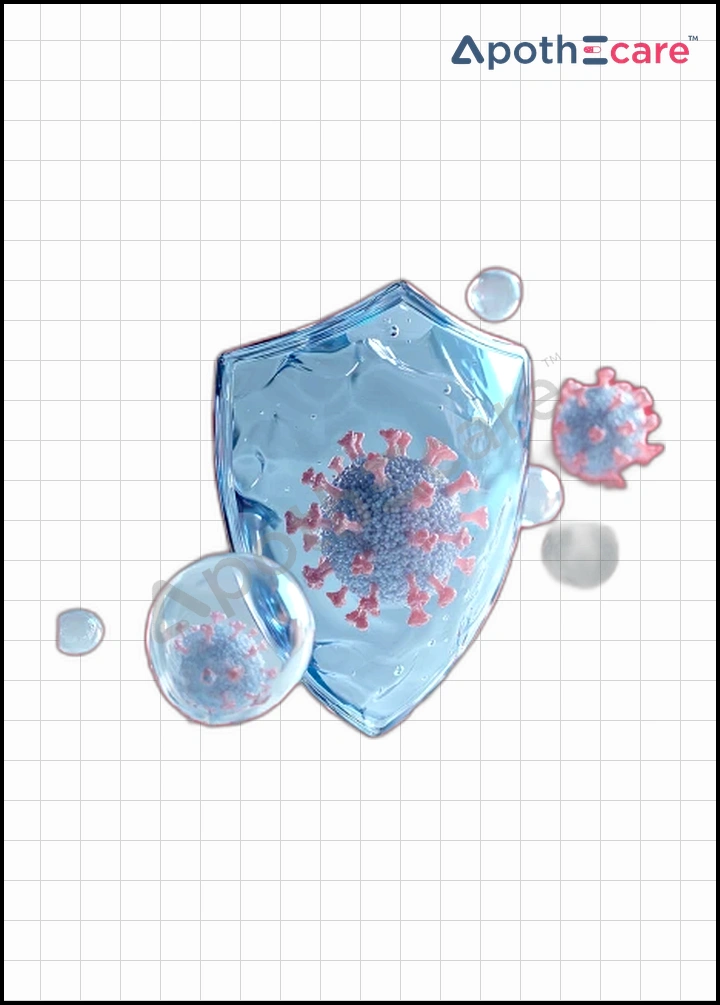
Did you know that in 2026, the Ebola virus disease is still one of the worst viral health risks in the world?

Ebola outbreaks are comparatively uncommon, but if they are not contained in a timely manner, they can spread quickly and produce serious sickness with a high death rate.
Healthcare authorities are more capable than ever to handle Ebola epidemics thanks to increased worldwide surveillance, quicker diagnostic tools, and enhanced outbreak response systems.
For public awareness, early identification, and efficient infection control, it is crucial to understand Ebola virus symptoms, routes of transmission, and current epidemic updates in 2026.
What is the Ebola virus?
Ebola disease is caused by a family of viruses called orthoebolaviruses (previously ebolavirus). These viruses can cause significant illness that, if not treated, can lead to death. Orthoebolaviruses are mainly found in sub-Saharan Africa and were identified in the Democratic Republic of the Congo in 1976.
Ebola virus disease can cause:
Ebola virus in 2026 - Current Outbreak Updates:
Global health organizations continue to actively monitor the current outbreak updates on Ebola virus in 2026.
Key Global development includes:
Healthcare authorities are presently concentrating on lowering outbreak-related mortality and preventing cross-border transmission.
Symptoms of Ebola Virus:
Early detection of Ebola virus symptoms is critical for timely medical attention and infection prevention.
Early symptoms:
Later or Severe symptoms:
Each patient has different symptoms in terms of severity and intensity. The chance of survival increases with immediate care.
How does Ebola virus spread?
Understanding the Ebola virus's mode of transmission is crucial to preventing outbreaks. Ebola Virus Transmission Can Occur Through:
Ebola does not spread through casual airborne routes like the viruses that cause the common cold. Implementing strict infection control measures is essential to stop outbreaks.
Who is at higher risk?
There is a higher risk of exposure for some groups during epidemics.
The danger of infection is greatly decreased by taking the right precautions.
Diagnosis of Ebola Virus:
Ebola disease can be difficult to distinguish clinically from other infectious diseases such as malaria, typhoid fever, shigellosis, meningitis, and other viral hemorrhagic fevers due to similar symptoms in the early stages of the disease. Patient isolation and treatment depend on an early and accurate diagnosis.
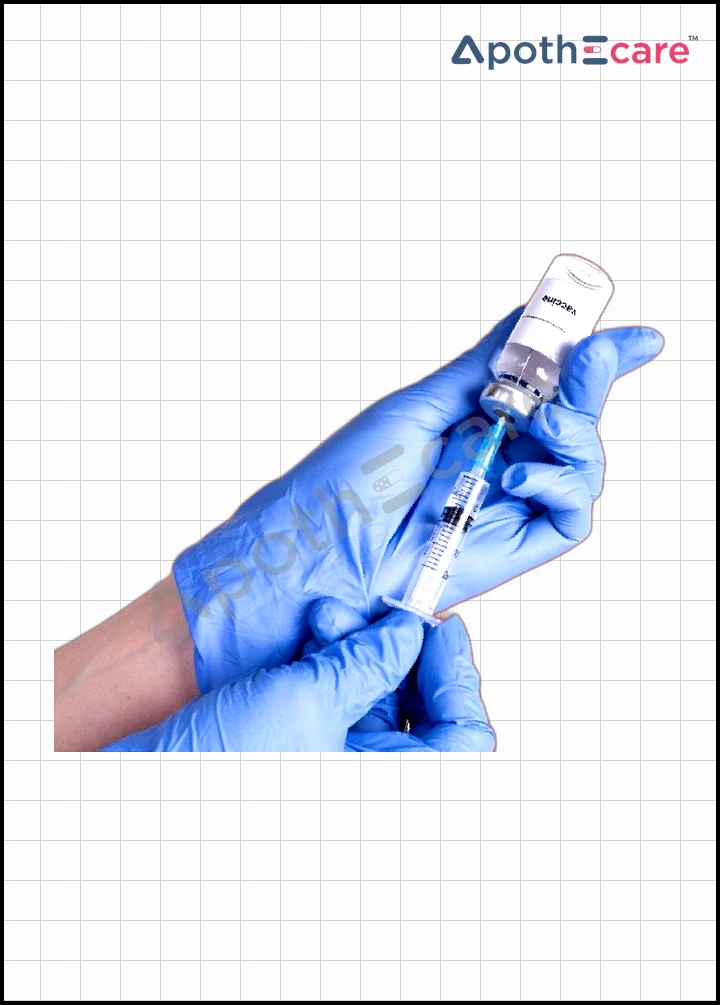
Ebola Vaccines and Preventive strategies:
For the Ebola virus:
Preventive strategies:
Raising awareness of risk factors and protective actions that individuals can implement is an effective strategy to limit human transmission. The following elements should be emphasized in risk reduction messaging:
Conclusion:
The Ebola virus in 2026 is causing increasing concern, which emphasizes the significance of early diagnosis, public knowledge, and effective infection control measures. Public safety and readiness can be enhanced by being aware of the symptoms of the Ebola virus, how it spreads, and how to stay informed about new developments.
Global healthcare systems are more prepared to handle Ebola-related crises thanks to continuous improvements in diagnosis, vaccinations, and epidemic control.
FAQs:
1. How is the Ebola virus transmitted?
Direct contact with contaminated surfaces, bodily fluids, blood, or infected animals can spread Ebola.
2. What are the initial signs of the Ebola virus?
Early signs of Ebola include fever, fatigue, headache, sore throat, and muscle pain.
3. Is an infected person contagious even if symptoms have not appeared?
A person infected with Ebola is not contagious before the symptoms appear. The incubation period is 2 to 21 days.
4. Is there a cure for the Ebola virus?
Supportive care, hydration, and intense medical therapy increase survival rates, but there is not a single, complete cure.
Reference:
https://www.britannica.com/science/Ebola
https://www.cdc.gov/ebola/about/index.html
https://www.cdc.gov/ebola/signs-symptoms/index.html
https://www.pasteur.fr/en/medical-center/disease-sheets/ebola#what-are-the-symptoms
https://pmc.ncbi.nlm.nih.gov/articles/PMC9995846/
https://www.who.int/news-room/fact-sheets/detail/ebola-disease
https://bestpractice.bmj.com/topics/en-gb/1210/diagnosis-approach
https://www.canada.ca/en/public-health/services/diseases/ebola/prevention-ebola.html
https://www.canada.ca/en/public-health/services/diseases/ebola/prevention-ebola.html
https://www.afro.who.int/health-topics/ebola-virus-disease/faq-vaccine
https://www.unicef.org/uganda/media/14051/file/Frequently%20asked%20questions%20about%20Ebola.pdf
About Author